All news

400 young people embark on Club's 'Diversity Wins' program

Club Foundation

Give Racism The Red Card

This text has been automatically translated for you by AI. Small imperfections are possible.

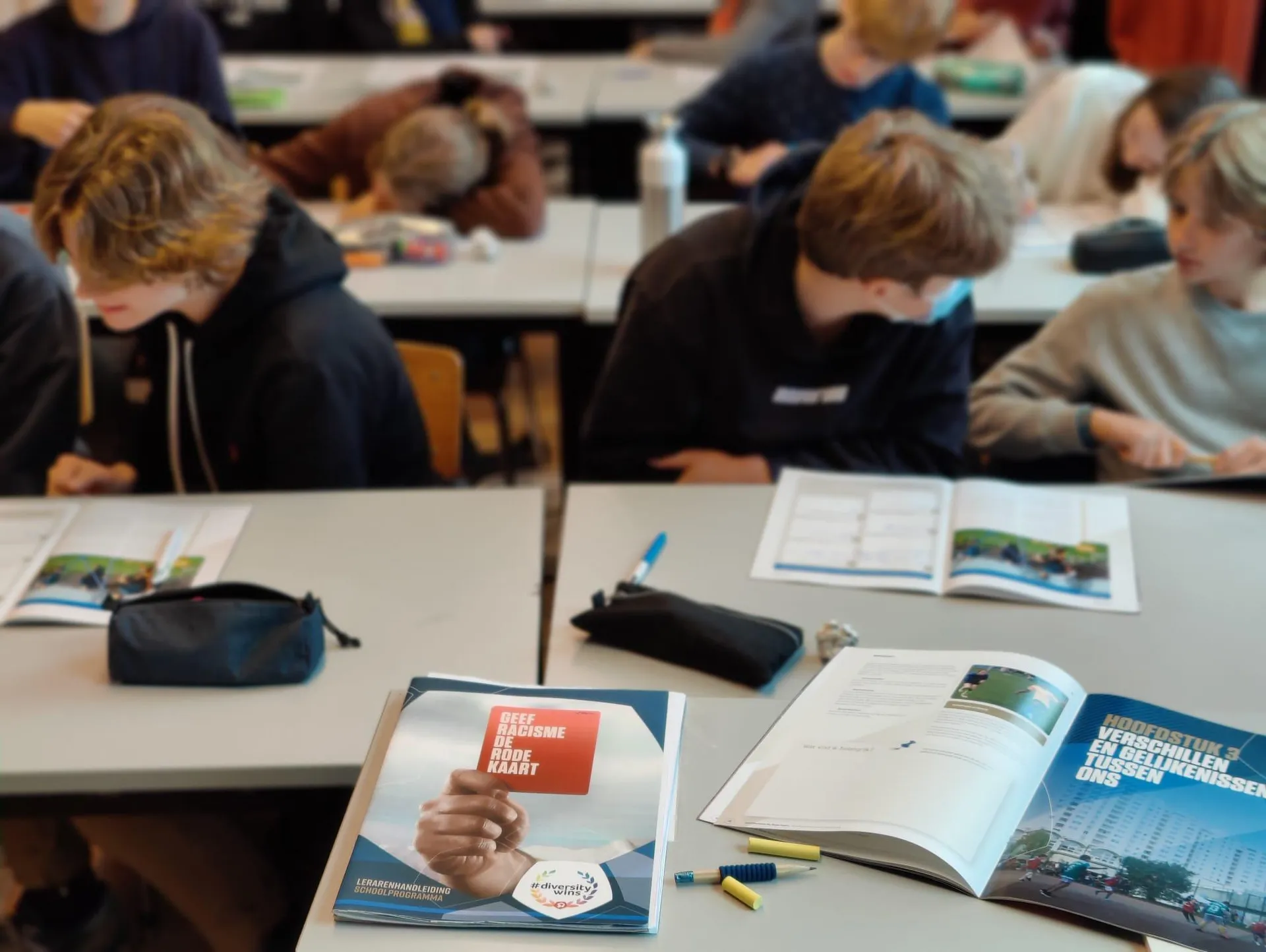
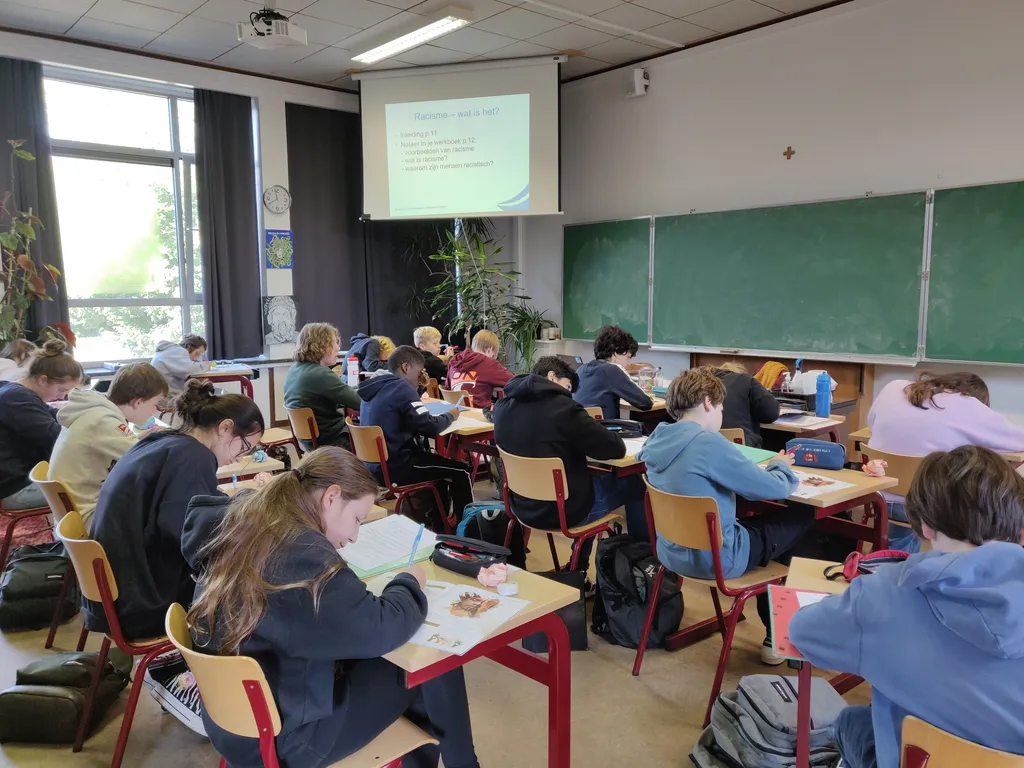
This month, more than 400 high school students started Club Brugge Foundation's Diversity Wins project. 'Diversity Wins' is an educational program that promotes diversity, respect and tolerance on and off the field.

Diversity Wins helps train teachers and sports coaches to deliver informative and impactful educational sessions to children, teaching them how to discuss complex topics and use appropriate language and terminology.

Devised curriculum for secondary schools

Club Brugge Foundation has developed a ready-made curriculum for secondary schools. The curriculum aims to educate, engage and inspire children and young people aged 10 to 16 through an educational program on racial, LGBTQ+, religious and gender-based discrimination.

5 high schools from Flanders stepped into this project and have currently started this curriculum. Over the next few months, 400 students will take the curriculum. These lessons fit seamlessly with thecitizenship educationfinal term. The classroom lessons continue at school and are taught by in-house school teachers. To this end, Club Brugge Foundation has compiled a comprehensive teacher's manual and student workbook.

With the support of the European Union

Diversity Wins is the successor to the highly successful Foundation project "Give Racism The Red Card," in which Club Brugge Foundation has reached more than 3,000 pupils from 25 schools in Flanders over the past 3 seasons, accounting for 134 classes and 160 teachers in total. Diversity Wins is a project in partnership with European Football for Development Network (EFDN) together with Real Betis Balompié (Es), Fundación Alcoraz (Es), Vålerenga IF (No), Rangers Charity Foundation (Sco), Bayer 04 Leverkusen (Ger) and Excelsior Rotterdam (Ndl). This project was co-funded by the European Union.

This project has been funded by the European Union. However, the ideas and opinions expressed here are solely those of the author(s) and do not necessarily reflect those of the European Union or the European Education and Culture Executive Agency (EACEA). Neither the European Union nor the EACEA can be held liable for them.